Making New Year’s Resolutions That Stick
As we approach a new year, many of us are drawn to the tradition of setting New Year’s resolutions. These goals represent a fresh start and a chance to make meaningful changes in our lives. But, let’s be honest—sticking to New Year’s resolutions can be challenging. Often, by February, enthusiasm fades, and our goals may be left behind. If this sounds familiar, don’t worry; you’re not alone. Here’s a guide to setting New Year’s resolutions that are both achievable and meaningful, helping you stay motivated all year long.
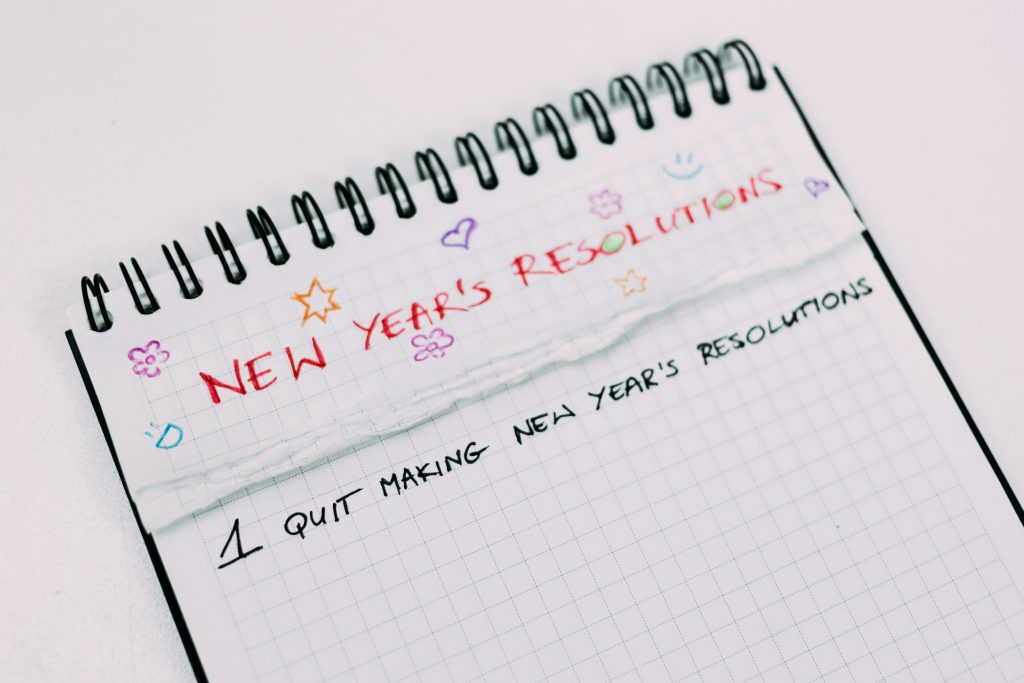
Why New Year’s Resolutions Fail
It’s easy to start the year with a long list of resolutions, but following through can be tough. Why do so many of us struggle to keep our New Year’s resolutions? Often, the answer lies in the way we set our goals. Common pitfalls include being too vague, setting unrealistic targets, or creating goals based on societal expectations rather than personal values. When New Year’s resolutions don’t align with what we genuinely want, it’s easy to lose motivation.
Make Your Resolutions Personal and Meaningful
One of the biggest keys to making your New Year’s resolutions stick is ensuring they genuinely resonate with you. Think about what you truly want to achieve, rather than what might look impressive. When your goals reflect what matters most to you, you’ll find it easier to stay motivated. For instance, if you’re setting a health goal, focus on what benefits you most—like having more energy, improving your mood, or reducing stress.
Consider asking yourself:
- What do I want to improve in my life this year?
- Why is this resolution important to me personally?
- How would reaching this goal positively impact my life?
Connecting your resolutions to what truly matters to you makes them more meaningful, which helps turn them into something you genuinely want to accomplish.
Resolutions Often Fail
Make Your Resolutions Personal and Meaningful
One of the biggest keys to making your New Year’s resolutions stick is ensuring they genuinely resonate with you. Think about what you truly want to achieve, rather than what might look impressive. When your goals reflect what matters most to you, you’ll find it easier to stay motivated. For instance, if you’re setting a health goal, focus on what benefits you most—like having more energy, improving your mood, or reducing stress.
Consider asking yourself:
What do I want to improve in my life this year?
Why is this resolution important to me personally?
How would reaching this goal positively impact my life?
Connecting your resolutions to what truly matters to you makes them more meaningful, which helps turn them into something you genuinely want to accomplish.
It’s easy to start the year with a long list of resolutions, but following through can be tough. Why do so many of us struggle to keep our New Year’s resolutions? Often, the answer lies in the way we set our goals. Common pitfalls include being too vague, setting unrealistic targets, or creating goals based on societal expectations rather than personal values. When New Year’s resolutions don’t align with what we genuinely want, it’s easy to lose motivation.
Overcoming Common Challenges
To make your New Year’s resolutions successful, start by identifying potential obstacles. Life can get busy, motivation may wane, or unexpected events can throw you off track. Being prepared for these challenges helps you adjust rather than abandon your resolutions. By setting smaller, actionable steps, you’ll find it easier to stick to your goals, even when life gets in the way.
Make Your Resolutions Personal and Meaningful
One of the biggest keys to making your New Year’s resolutions stick is ensuring they genuinely resonate with you. Think about what you truly want to achieve, rather than what might look impressive. When your goals reflect what matters most to you, you’ll find it easier to stay motivated. For instance, if you’re setting a health goal, focus on what benefits you most—like having more energy, improving your mood, or reducing stress.
Consider asking yourself:
- What do I want to improve in my life this year?
- Why is this resolution important to me personally?
- How would reaching this goal positively impact my life?
Connecting your resolutions to what truly matters to you makes them more meaningful, which helps turn them into something you genuinely want to accomplish.
Focus on Evidence-Based Resolutions
Evidence-based resolutions—goals backed by research and proven strategies—can add depth and purpose to your journey. By setting goals grounded in research, you’re using approaches that are more likely to be effective and sustainable. For example, if you’re setting a fitness resolution, focus on research-backed practices like incorporating both strength training and cardiovascular exercise. Evidence-based goals feel more rewarding because they’re rooted in tried-and-tested methods that genuinely work.
Examples of evidence-based resolutions include:
- Health and Well-being: Commit to regular exercise that combines aerobic and strength training, as both are shown to improve physical and mental health.
- Mindfulness: Aim to practice mindfulness daily, which studies show can reduce stress and improve overall well-being.
- Personal Growth: Dedicate time to lifelong learning by choosing evidence-based learning techniques, like spaced repetition or active recall, for better retention.
When your New Year’s resolutions are backed by evidence, they feel more achievable and grounded, which can keep you motivated for the long haul.
Break Goals into Small, Achievable Steps
Big goals can feel overwhelming, especially when they require a lot of effort and time. Breaking your New Year’s resolutions into smaller steps can make them feel more manageable and achievable. For example, if you want to read more, start by setting aside just 10 minutes a day rather than committing to an hour immediately. Each small step builds momentum and brings you closer to your end goal.
Here’s how you can break down your New Year’s resolutions:
- Start small: Choose one simple, actionable step, like drinking a glass of water each morning if your goal is to stay hydrated.
- Build gradually: Once you’re consistent with smaller actions, you can expand on them.
- Celebrate progress: Recognize and appreciate the small wins along the way. Every step forward counts.
By breaking down your goals into small actions, you prevent overwhelm and make it easier to maintain your New Year’s resolutions long-term.

Track Your Progress and Stay Accountable
Tracking your progress is one of the best ways to stay motivated and committed to your New Year’s resolutions. Whether you use a journal, an app, or a calendar, logging your achievements builds confidence and gives you a visual representation of how far you’ve come. Regular check-ins help you see your progress, which can be incredibly encouraging.
Accountability can also be a big motivator. Sharing your resolutions with a friend, family member, or even a supportive online group can keep you on track. Your accountability partner doesn’t have to check in every day; they’re simply there to cheer you on and celebrate your wins.
Some ways to stay accountable include:
- Using habit-tracking apps: Many apps allow you to log daily actions related to your goals and keep you consistent.
- Keeping a progress journal: Document your journey, including the challenges, successes, and adjustments along the way.
- Scheduling regular check-ins: Weekly or monthly reviews can help you stay focused and adjust as needed.
Tracking your New Year’s resolutions and having someone to support you can make a huge difference in maintaining your momentum.
Embrace Flexibility
Life can be unpredictable, and even the best-laid plans can get derailed. Flexibility is essential when it comes to achieving your New Year’s resolutions. If something doesn’t go as planned, adjust your approach rather than giving up. For example, if your goal was to cook at home every night but your schedule doesn’t allow it, try reducing it to a few nights a week instead.
Being flexible with your resolutions allows you to adapt without feeling like you’ve failed. Remember, resolutions are meant to guide you, not to be set in stone. It’s okay to change the plan if it helps make your goals more achievable and suited to your lifestyle.
Reward Yourself Along the Way
Sticking to New Year’s resolutions can be hard work, so don’t forget to reward yourself as you make progress. Celebrating milestones, no matter how small, keeps you motivated and makes the journey more enjoyable. Rewards don’t have to be grand—a favorite snack, a relaxing activity, or even a little treat can help you celebrate each step.
Reward ideas include:
- A cozy night in: Relax with a movie or a favorite book.
- Buying something special: A new journal, book, or small item that brings joy.
- Planning a fun activity: A day outdoors, a trip to the museum, or a new experience.
Recognizing and celebrating your progress along the way makes your New Year’s resolutions more enjoyable and sustainable.
Choose Goals That Truly Add to Your Life
When setting New Year’s resolutions, think about goals that genuinely add joy, peace, or growth to your life. Don’t focus solely on what seems impressive or popular—focus on what will actually enhance your day-to-day experience. Resolutions that emphasize well-being and personal happiness often lead to a more satisfying year.
For example:
- Mindfulness: Incorporate a simple mindfulness or meditation practice into your routine.
- Hobbies: Set aside time each week to enjoy a hobby like cooking, painting, or gardening.
- Relationships: Make an effort to meet with friends or family regularly for deeper connection.
By choosing goals that enrich your life, you’re more likely to stay motivated because they naturally bring joy and fulfillment.
Keep the Motivation Alive
The enthusiasm of January can fade as life gets busy. To keep your motivation strong, remind yourself regularly of why you set these goals. Vision boards, journaling, or simple reminders can help you stay focused on your New Year’s resolutions throughout the year.
To keep your motivation alive:
- Create a vision board: Visualize your goals and place it somewhere you’ll see every day.
- Find inspiration: Listen to podcasts, read articles, or follow people who share your goals.
- Reflect and reset: If you lose track, remind yourself why you started and pick back up without guilt.
Staying inspired helps you keep your New Year’s resolutions fresh and exciting, even months into the year.
Make This Year Truly Count
Setting New Year’s resolutions is a powerful way to make positive changes in your life. Remember, it’s not about perfection, it’s about making progress and moving forward. Focus on what genuinely matters to you, take small steps, stay flexible, and enjoy the journey.
This year, let your resolutions reflect joy, growth, and personal meaning. Make them manageable and tailored to your own journey. With the right strategies and support, you can move toward lasting goals and make the year ahead one of strength, balance, and fulfilment.
At MindShift Integrative Therapy Centre, our individual therapy services are here to support you as you start fresh, stay grounded, and build the future you envision, one step at a time.
Book a free 20-minute consultation today and begin the New Year with clarity, confidence, and compassionate support.