What Is ADHD Paralysis?
Have you ever wanted to do something but just couldn’t get started? Even when the task is important or time-sensitive, you feel stuck. This feeling is common for people with Attention-Deficit/Hyperactivity Disorder (ADHD), and it’s called ADHD paralysis [1].
ADHD paralysis is a mental freeze that happens when your brain feels overwhelmed. You might stare at your to-do list, know what needs to be done, but still can’t move forward. This isn’t laziness. It’s not about being careless or avoiding responsibility. It’s about how the ADHD brain works, especially when it’s dealing with stress, choices, or too much input at once.
This kind of freeze happens because the brain’s “manager”, the part responsible for planning, organising, and decision-making has trouble keeping up. That makes everyday tasks feel like mountains, even when they’re small.
Types of ADHD Paralysis
ADHD paralysis can show up in different ways. Here are three types you might experience:
1. Task Paralysis ADHD
This is when getting started or finishing feels impossible. Even simple tasks like sending an email or folding laundry can feel too heavy. Sometimes, people avoid the task and turn to easier things like watching TV, scrolling on their phones, or simply doing nothing. Underneath, there’s often fear of failure or pressure to do it perfectly.
2. Decision Paralysis
Also known as analysis paralysis, this happens when you’re faced with too many choices. You might spend a long time weighing options, worrying about picking the wrong one, or feeling like none of the choices are right. In the end, you may do nothing at all.
3. ADHD Executive Dysfunction
At the core of ADHD paralysis is executive dysfunction, your brain struggles with planning, organizing, and staying on track. You may freeze when you can’t figure out what to do first.

What Causes ADHD Paralysis?
There are a few reasons why the ADHD brain gets stuck:
Overwhelm and Burnout – Too much to do, too little time. When tasks pile up, your brain may shut down instead of tackling them one by one.
Low Dopamine Levels – ADHD is linked to issues with dopamine, which affects motivation. People with ADHD often have lower levels of it, making it harder to “get going.”
Perfectionism – Wanting to do something perfectly can make starting feel scary. The pressure to get it right can be so stressful that you avoid it completely.
Sensory or emotional overload – Loud environments, strong emotions, or too many thoughts at once can create mental overload, causing your brain to stop processing clearly.
Signs You Might Be Experiencing ADHD Paralysis
ADHD paralysis isn’t always obvious. It can look like procrastination, but it feels very different on the inside. Here are a few signs:
- You stare at your to-do list but feel unsure where to begin
- You sit still, even when you want to take action
- You put off even small choices, like what to eat
- You reach for distractions like social media or TV, to avoid starting
- You feel stuck and frustrated, but can’t explain why
If this sounds familiar, know that you’re not alone. ADHD paralysis is a shared experience among many neurodivergent people, and there are ways to manage it.
Proven Strategies to Overcome ADHD Paralysis
You don’t need to push through paralysis with willpower alone. Here are proven tips that work with your brain, not against it:
- Break Tasks into Micro-Steps
Big tasks feel overwhelming. Try breaking them down. Instead of “clean the kitchen,” say “clear off the counter” or “load the dishwasher.” Small steps help you feel less stuck and more in control. - Set Up External Cues
Use sticky notes, alarms, or checklists. These physical reminders support the parts of your brain that are having a tough time organizing. - Add Rewards
Your brain craves motivation. Try using rewards like a favourite snack or screen time to boost momentum. - Use Body Doubling
Working near someone else (even virtually) can increase accountability. It’s easier to get things done when someone’s quietly working beside you. - Try Movement First
A 5-minute walk or short stretch can reset your brain. Movement helps with energy, focus, and mood. - Practice Self-Kindness Daily
Self-judgment makes paralysis worse. Remind yourself: this is hard because of how your brain works—not because you’re not trying hard enough. - Create a Simple Morning Routine
Start with small wins. Even making your bed or drinking a glass of water helps build momentum for your day. - Check in With Yourself
Ask, “What’s the next easiest step I can take?” This helps you focus without feeling overwhelmed by the big picture. - Consider ADHD Therapy
At MindShift Integrative Therapy Centre, our ADHD therapy programs are tailored to help you build focus, follow-through, and confidence.
Use Time Blocking and the Pomodoro Technique
One of the best ways to beat ADHD paralysis is to give your brain a clear start and stop point. That’s where the Pomodoro Technique comes in. It’s a simple method that uses short, timed work sessions followed by breaks.
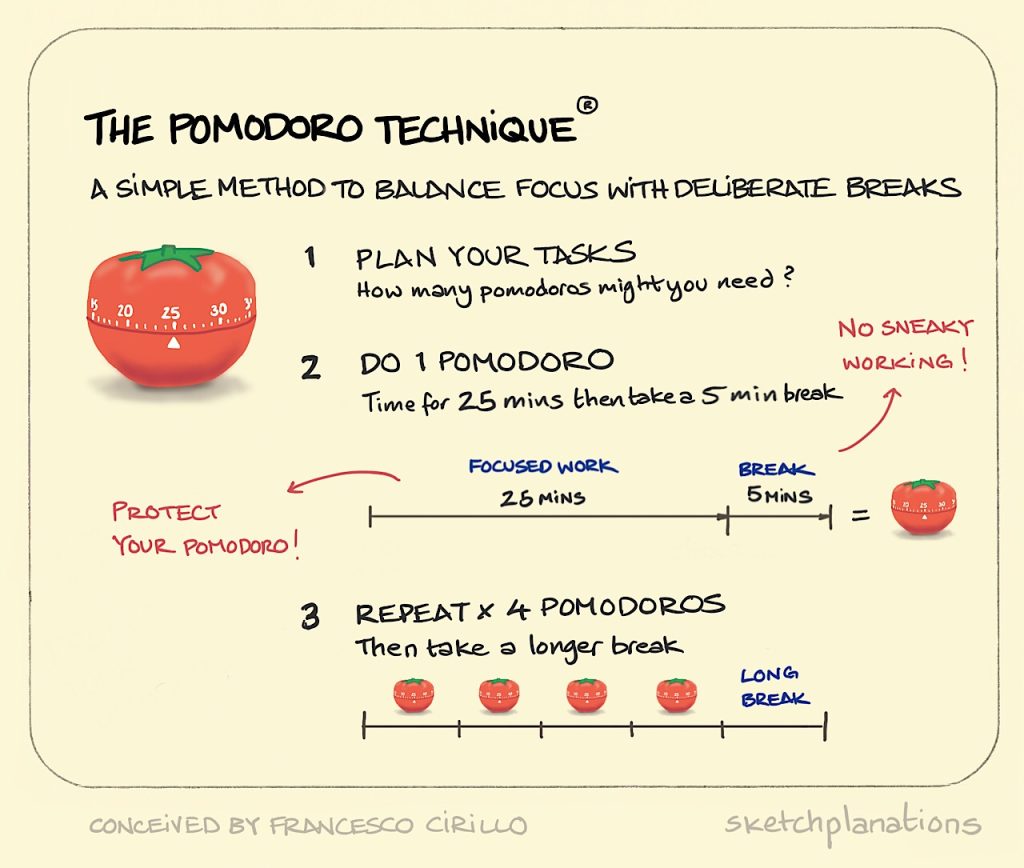
Here’s how it works:
- Pick one task and ask, “How many Pomodoros might this take?” (Each Pomodoro is 25 minutes.)
- Work for 25 minutes with full focus, no distractions.
- Take a 5-minute break to stretch, rest, or reset.
- After four rounds, take a longer break (15–30 minutes).
Protect your Pomodoro—no multitasking or “sneaky working” during breaks. These pauses help your brain reset.
Use a visual timer or app to stay on track and reduce mental clutter.
The Role of Professional ADHD Therapy
Working with a therapist can be a game-changer. Therapy gives you tools, structure, and encouragement. It helps you understand your habits, set up helpful routines, and reduce stress.
Our team at MindShift Integrative Therapy Centre offers personalized ADHD support. Whether it’s Cognitive Behavioural Therapy (CBT), or mindfulness-based therapy, our team supports your goals with care.
Lifestyle Changes That Support Your ADHD Brain
To reduce the frequency and intensity of task paralysis ADHD, consider the following:
- Exercise regularly – Physical activity boosts dopamine and supports executive function.
- Practice Mindfulness – Meditation improves focus and reduces impulsivity.
- Prioritize Sleep – Sleep deprivation worsens executive dysfunction and memory.
- Nutrition – A balanced diet rich in omega-3s and protein supports brain health.
You’re Not Lazy, You’re Wired Differently
ADHD paralysis doesn’t mean you’re unmotivated. It’s a neurological response, not a personal failure. When you understand how your brain works, you can meet it with compassion instead of shame.
Let’s Break the Paralysis Together
You don’t have to stay stuck. The freeze can pass. With education, strategies, and support, you can reclaim your time, focus, and confidence.
If you’re ready to move forward, book a free 20-minute consultation with MindShift Integrative Therapy Centre. We offer specialised ADHD therapy designed to help you move past paralysis and thrive with support that truly understands how your brain works.
Sources:
- Klarity Health, Inc. ADHD paralysis — what it is and how to stop it