Some wounds run so deep they echo across generations. Intergenerational trauma, also known as generational or transgenerational trauma is the passing down of emotional pain and coping patterns from one generation to the next. Often invisible but deeply felt, this kind of trauma can quietly shape family relationships, beliefs, behaviours, and even physical health.
Understanding where these patterns come from and how to interrupt them, is key to building a future rooted in resilience, not repetition.

What Is Intergenerational Trauma?
Intergenerational trauma occurs when trauma from one generation isn’t fully processed or healed, and its emotional or behavioural effects are passed down. This might include:
- Children adopting their parent’s coping behaviours
- Families avoiding conversations about painful events
- Emotional reactions being misunderstood or dismissed
- Unspoken grief or shame becoming part of the family culture
In some cases, trauma may even impact gene expression. Studies suggest that trauma can lead to epigenetic changes, meaning the way certain genes function changes, without changing the genes themselves. These changes can affect how people respond to stress, and may be inherited.
How Trauma Is Passed Down
Trauma can ripple through generations in more ways than we might expect. Here are the most common ways it shows up:
1. Behavioural Patterns
Children often learn how to cope by watching their parents. If a parent avoids emotions, turns to substances, or struggles with anger, children may unconsciously mirror those same habits later in life.
2. Communication Styles
Some families deal with trauma by staying silent. When hard things aren’t talked about, it can lead to confusion, secrecy, and emotional disconnection. This “don’t talk about it” approach often leaves the next generation carrying feelings they don’t fully understand.
3. Biological Effects
Trauma affects the nervous system and stress responses. Parents living in survival mode may unintentionally pass that sense of urgency or fear to their children, both through parenting and, in some cases, inherited stress responses. [1]
Signs of Inherited Trauma
Identifying intergenerational trauma isn’t always easy. These patterns can feel like “just the way we are” because they’ve been present for so long. However, there are some common signs to look for:
- Emotional reactivity or difficulty calming down [2]
- Mood swings or feeling stuck in sadness, anger, or fear
- Challenges in relationships, including trust issues or fear of closeness
- Low self-worth or a persistent sense of not being good enough
- Physical symptoms, like chronic headaches, fatigue, or stomach issues
- Patterns of self-sabotage or avoidance when things go well
How to Heal Intergenerational Trauma
Healing from trauma passed down through families starts with awareness. Once you recognize the patterns, you can begin choosing a different path.
1. Talk to a Therapist
Working with a therapist trained in trauma and family systems can help you process your own experiences and gain insight into generational patterns. At MindShift Integrative Therapy Centre, we offer trauma therapy and individual therapy that supports you in unpacking inherited emotional wounds safely and at your own pace.
2. Practise Mindfulness and Grounding
Mindfulness helps you stay in the present instead of getting pulled into old emotional loops. Breathing exercises, body scans, and grounding techniques can help you regulate your emotions and feel more centred.
3. Build Supportive Connections
Breaking trauma cycles often means seeking out new, healthier support systems. Whether it’s therapy, community groups, or trusted friends, connection is a key part of healing.
4. Reclaim Your Story
You are allowed to name what happened, even if your family hasn’t. Validating your experiences, journaling, or doing inner child work can help you rewrite old narratives and reclaim your voice.
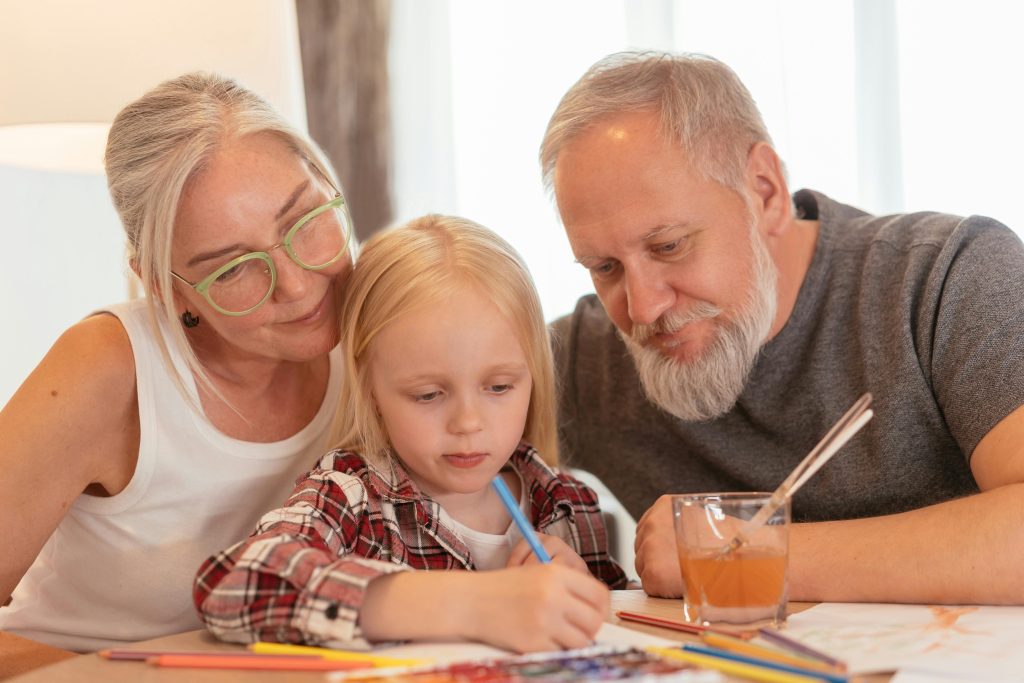
Breaking the Cycle for Future Generations
One of the most powerful things you can do is stop the cycle before it continues. That might mean:
- Starting conversations about emotional health and family history
- Choosing new ways to parent or relate, based on safety and empathy
- Creating rituals of connection, honesty, and emotional expression
- Letting go of silence, blame, or guilt that was never yours to carry
It’s not about being perfect, it’s about becoming more conscious. By healing your own pain, you also create a different emotional legacy for those who come after you.
Final Thoughts
Intergenerational trauma can feel heavy and complicated, but it’s not a life sentence. You don’t have to keep repeating what hurt you. You can choose healing. You can choose to change.
If you’re ready to break the cycle and build a different kind of future, MindShift Integrative Therapy Centre is here to support you. Our trauma-informed therapists offer compassionate guidance to help you reconnect with yourself and move forward with clarity and strength. If you’re ready to start your journey, book a session today.
Sources:
- Gina Ryder. What Is Genetic Trauma?
- Serene Mind Counseling. Understanding and Healing Generational Trauma