The Connection Between Sleep Quality and Mental Health
Understanding the relationship between sleep and mental health is crucial for maintaining overall well-being. Sleep is not just a time for your body to rest but also a critical period for mental and emotional processing. Let’s explore how sleep quality impacts mental health, the common issues linking the two, and practical strategies to enhance both.
The Bidirectional Relationship Between Sleep and Mental Health
Sleep and mental health are deeply interconnected. The quality of your sleep significantly influences your mental state, and vice versa. Research shows that poor sleep can exacerbate mental health issues such as depression, anxiety, and even severe conditions like bipolar disorder. On the flip side, mental health problems often lead to sleep disturbances, creating a vicious cycle. This bidirectional relationship highlights the importance of addressing sleep issues to improve mental health and vice versa.
How Poor Sleep Affects Mental Health
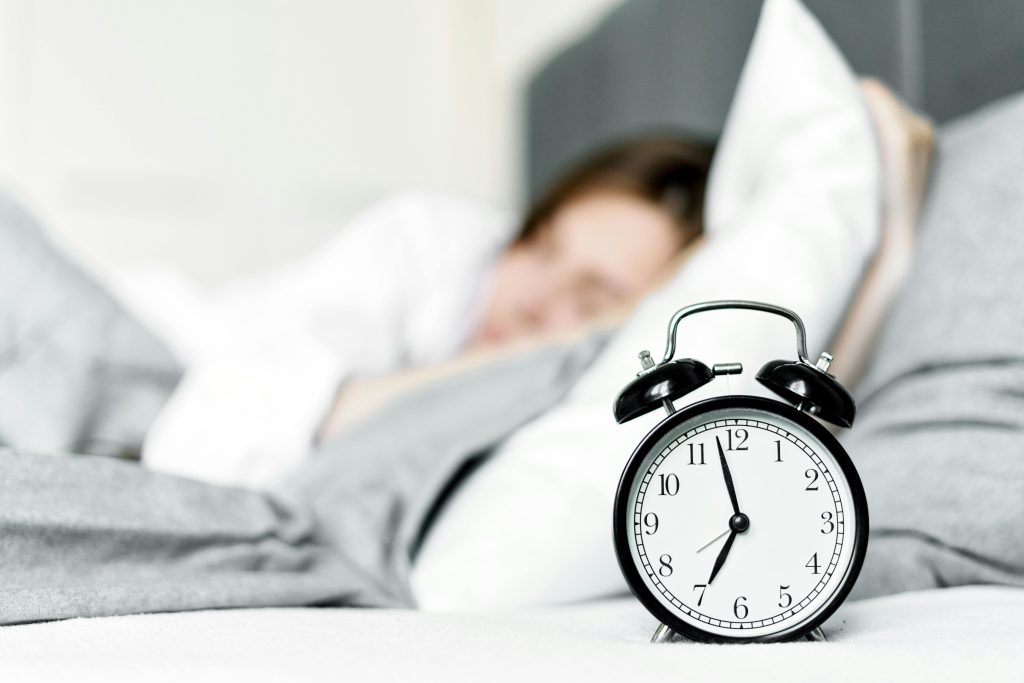
Imagine waking up after a restless night of tossing and turning. You probably feel irritable, sluggish, and mentally foggy. Chronic poor sleep can lead to more severe consequences. It impairs emotional regulation, making you more susceptible to mood swings and negative emotions. Sleep deprivation also affects cognitive functions, including memory, attention, and decision-making, making daily tasks more challenging. Over time, these issues can contribute to mental health disorders such as anxiety and depression.
Sleep deprivation studies indicate that even healthy individuals can experience increased anxiety and stress levels after poor sleep. For those already dealing with mental health conditions, chronic sleep problems can worsen symptoms and even increase the risk of suicidal thoughts.
Common Mental Health Conditions Affecting Sleep
Anxiety and stress are major culprits in disrupting sleep. The constant worry and heightened alertness can make it difficult to fall asleep or stay asleep. Depression, another common mental health issue, often leads to sleep disturbances. Some people with depression experience insomnia, struggling to fall or stay asleep, while others may sleep excessively, a condition known as hypersomnia. PTSD and other trauma-related disorders can also severely impact sleep, causing nightmares and night terrors that disrupt rest.

Practical Strategies for Improving Sleep Quality
Improving sleep quality is essential for mental health, and adopting good sleep hygiene practices can make a significant difference. One of the most effective strategies is to establish a consistent sleep schedule. Going to bed and waking up at the same time every day, including weekends, helps regulate your body’s internal clock.
Creating a sleep-conducive environment is also crucial. Ensure your bedroom is quiet, dark, and cool. Remove electronic devices that emit blue light, as this can interfere with your ability to fall asleep. Instead, create a calming pre-sleep routine that might include reading a book, listening to soothing music, or practicing relaxation techniques like deep breathing or meditation.
Limiting stimulants and alcohol before bed can also enhance sleep quality. Caffeine and nicotine are known sleep disruptors, so it’s best to avoid them in the late afternoon and evening. While alcohol might make you feel sleepy initially, it can disrupt your sleep cycle and prevent you from reaching the deeper stages of sleep.
Regular physical activity is another excellent way to improve sleep. Exercise helps reduce stress and anxiety, making it easier to fall asleep. However, try to avoid intense workouts close to bedtime, as they can have the opposite effect. Aim for moderate exercise earlier in the day to reap the full benefits for your sleep.
Special Considerations for Individuals with Trauma
For individuals dealing with trauma, tailored sleep strategies can provide significant relief. Creating a safe and comfortable sleep environment is vital. This might mean using weighted blankets, keeping a nightlight, or using white noise machines to block out disruptive sounds.
Therapy and counselling are also crucial components in addressing trauma-related sleep issues. Cognitive-behavioural therapy (CBT) for insomnia, for example, has been shown to be highly effective. This form of therapy helps change the negative thought patterns and behaviours that contribute to sleep problems.
Seeking Professional Help
If you find that sleep problems persist despite your best efforts, it might be time to seek help from a mental health professional. Sleep disorders can sometimes be symptoms of underlying mental health conditions that require treatment. A healthcare provider can offer therapies and medications tailored to your specific needs.
Professional help is particularly important if you experience symptoms such as severe mood swings, persistent sadness, or thoughts of self-harm. Addressing these issues with the help of a professional can improve your sleep and overall mental health.
Take Care of Yourself
Sleep and mental health are closely connected—each deeply influences the other. When sleep is disrupted, it can affect your mood, energy, and emotional stability. Likewise, mental health challenges can interfere with restful sleep. Understanding this connection is the first step toward change. Through individual therapy, you can explore the root causes of sleep and mental health difficulties, learn effective coping strategies, and build healthier daily routines.
Improving your sleep and mental well-being doesn’t happen overnight, but small, consistent steps, like adopting good sleep hygiene practices, can lead to meaningful change over time. With the guidance of a therapist, you’ll gain tools to prioritise rest, manage stress, and shift patterns that may be holding you back. Your well-being matters, and seeking support is a powerful act of self-care.
Enhancing sleep quality isn’t just about sleeping longer, it’s about creating a more balanced, healthy life. Individual therapy can support this transformation by helping you uncover what’s standing in the way of restful sleep and a calmer mind. Start today, and take the first step toward better sleep, improved mental clarity, and a healthier you.
Book a free consultation today and discover how better sleep can support your mental health.