Supporting someone with Post-Traumatic Stress Disorder (PTSD) requires sensitivity, understanding, and compassion. While well-meaning intentions are common, certain actions and words can inadvertently harm someone with PTSD or worsen their symptoms. In this blog, we’ll explore ten of the worst things to do to someone with PTSD and provide practical advice on how to support them instead.
1. Minimize Their Experience
Saying things like, “Just get over it,” or “It wasn’t that bad,” can be incredibly invalidating. These statements dismiss the gravity of their trauma and make them feel as though their struggles are insignificant. Instead, validate their experience by saying, “I’m here for you,” or “What you’re feeling is valid.”
2. Force Them to Talk About Their Trauma
Pressuring someone with PTSD to recount their traumatic experiences can be retraumatizing. Healing takes time, and individuals must feel safe and ready to share. Instead, create a supportive environment where they feel comfortable opening up when they’re ready.
Assuming PTSD Is Just “Being Sad” or “Anxiety”
PTSD involves a range of symptoms, including flashbacks, nightmares, dissociation, and extreme stress responses. Reducing it to just sadness or anxiety ignores its complexity.
4. Telling Them “Other People Have It Worse”
Saying, “Others have been through worse,” is both dismissive and harmful. Trauma is deeply personal, and comparisons only undermine their experience. A better approach is to listen without judgment and acknowledge their feelings.
5. Offer Unsolicited Advice
“Well-meaning” advice like, “You should try this,” or “Just stay positive,” can come across as dismissive and oversimplified. Instead of offering unsolicited solutions, ask how you can support them or simply listen to what they need.
6. Dismiss Their Symptoms as Overreactions
Telling someone they are “overreacting” minimizes their emotions and exacerbates feelings of isolation. PTSD symptoms, such as flashbacks or hypervigilance, are not choices—they are physiological responses to trauma. Respond with empathy and patience.
7. Ignore Their Boundaries
For individuals with PTSD, maintaining boundaries is essential for their sense of safety. Ignoring or pushing past these boundaries—whether physical or emotional—can make them feel unsafe or retraumatized. Respect their limits and let them set the pace for interactions.
8. Blame Them for Their Condition
Comments like, “Why can’t you just let it go?” or “It’s in the past,” imply that they are at fault for their struggles. PTSD is a medical condition, not a personal failure. Show understanding by affirming that their feelings are valid and they are not to blame.
PTSD is not a personality flaw or lack of willpower. It’s a recognized medical condition caused by trauma exposure [1].
9. Make Assumptions About Their Needs
Assuming you know what’s best for someone with PTSD can feel condescending. Every individual’s journey is unique, and what works for one person may not work for another. Ask open-ended questions like, “How can I help?” to better understand their needs.
10. Discouraging Therapy or Medication
Healing takes time, and sometimes therapy or medication is necessary. Saying things like “You don’t need therapy” or “Medication is a crutch” can prevent them from getting the help they need.
Understanding Triggers and Avoiding Them
For individuals with PTSD, certain situations, sounds, or environments can act as triggers, bringing back distressing memories or emotions tied to their trauma. Understanding and avoiding these triggers is a crucial part of supporting someone with PTSD. Triggers can vary widely and might include specific smells, places, loud noises, or even particular words or phrases.
How to Recognize and Avoid Triggers:
- Communicate Openly: Ask the person about their triggers, if they feel comfortable sharing. Understanding what to avoid can help prevent unnecessary stress.
- Be Observant: Pay attention to their reactions in different settings. If you notice signs of discomfort, such as restlessness or withdrawal, consider whether something in the environment might be a trigger.
- Create Safe Spaces: Foster a calm, predictable environment where they feel secure. Avoid sudden changes or surprises that could catch them off guard.
By actively working to understand and avoid triggers, you can help create a sense of safety and support for someone with PTSD, enabling them to focus on their healing journey.
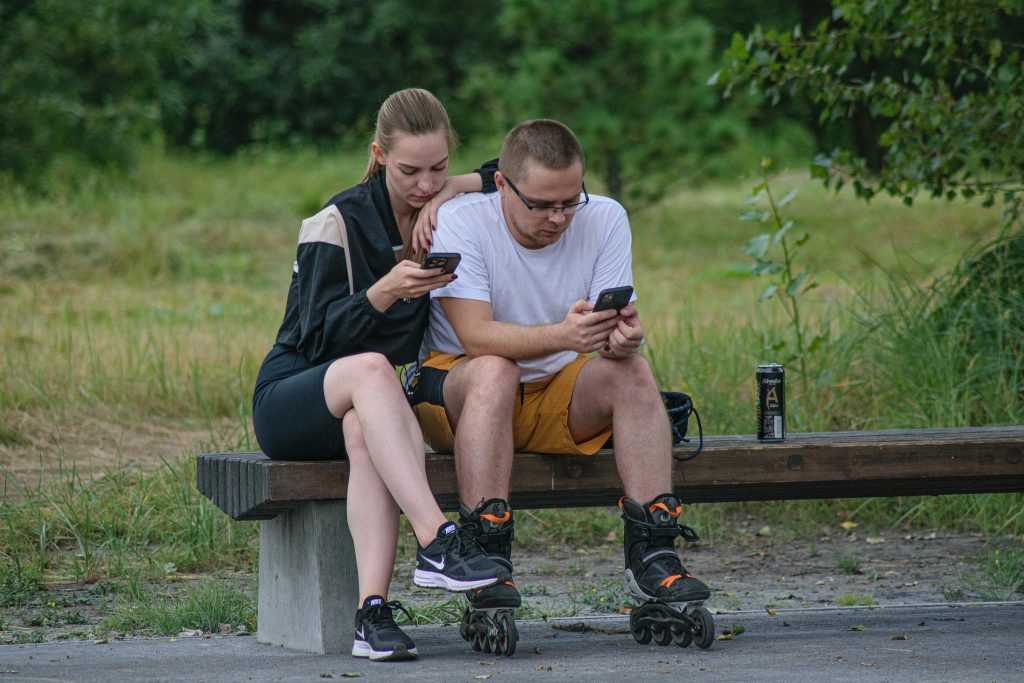
How to Support Someone with PTSD
Now that we’ve outlined what not to do, here are some ways to provide meaningful support:
- Educate Yourself: Learn about PTSD to better understand their experience.
- Listen Actively: Create a safe space where they can share without judgment.
- Respect Their Boundaries: Let them dictate the pace of conversations and interactions.
- Encourage Professional Help: Suggest therapy or counseling if they are open to it.
- Be Patient: Recovery is not linear; offer consistent support without rushing them.
Supporting Those with PTSD
At MindShift Integrative Therapy Centre, we recognise that PTSD recovery is deeply personal, non-linear, and often challenging. Healing from trauma takes time, patience, and support that meets you where you are.
We offer personalized trauma therapy rooted in compassion, cultural sensitivity, and trauma-informed care. Whether you’re navigating recent events or long-standing experiences, our therapists are here to walk with you through every step of the healing process with safety, trust, and connection at the core.
Book a free 20-minute consultation today or explore our therapy services to begin your healing journey with confidence and support today.
Sources:
- National Institute of Mental Health (NIMH). Traumatic Events and Post-Traumatic Stress Disorder (PTSD)