Autism Spectrum Disorder (ASD) is a lifelong neurological difference that affects how a person communicates, interacts socially, processes information, and experiences the world. Because it presents in many different ways, it’s described as a spectrum, each individual with autism has a unique blend of strengths and challenges.
Learning about autism and supporting neurodivergent individuals starts with compassion and understanding.

What Is Autism Spectrum Disorder?
Autism Spectrum Disorder (ASD) is a neurodevelopmental condition that includes differences in social communication, interaction, and behaviour. In the past, autism was divided into separate diagnoses like Asperger’s Syndrome and Pervasive Developmental Disorder–Not Otherwise Specified. Today, these are grouped under the broader diagnosis of ASD.
People with autism may:
- Communicate differently or prefer nonverbal ways of connecting
- Find social rules confusing or overwhelming
- Have deep, focused interests
- Show repetitive behaviours, like hand-flapping or repeating phrases
- Experience sensitivity (or low sensitivity) to sound, light, textures, or smells
These traits are not deficits, they’re expressions of a different way of experiencing and responding to the world.
Signs of Autism
Autism signs usually show up in early childhood, often by age 2 or 3. However, some individuals may not receive a diagnosis until adolescence or adulthood, especially girls and those assigned female at birth, whose traits may present differently or be masked.
Common signs include:
- Social communication differences: Difficulty making eye contact, understanding social cues, or starting conversations
- Repetitive behaviours: Repeating movements, sticking to routines, or fixating on specific topics
- Sensory sensitivities: Strong reactions to sounds, textures, or smells, or needing more input to feel regulated
- Focused interests: Deep passion for specific subjects, objects, or activities
Not every person with autism will have all of these traits, and some may develop coping strategies that mask their differences. Autism looks different in everyone. [1]
Neurodivergent vs. Neurotypical
Understanding these terms can support greater inclusion:
- Neurotypical refers to people whose brain development aligns with social expectations of what’s “typical.”
- Neurodivergent includes people whose brains work differently, such as individuals with autism, ADHD, dyslexia, or other developmental variations.
These terms aren’t labels, they’re simply ways to describe different types of thinking and processing. A neurodiversity-affirming mindset values all brains and challenges the idea that there’s only one “right” way to think, feel, or communicate.
Causes and Risk Factors
There’s no single cause of autism. Research suggests that both genetic and environmental factors play a role. Some factors that may increase the likelihood of autism include:
- Certain genetic variations
- Advanced parental age at the time of birth
- Some complications during pregnancy or birth
Diagnosis and Early Support
Early screening and support can help children with autism thrive. Diagnosis usually begins with:
- Developmental screening: A general check of milestones during well-child visits
- Comprehensive evaluation: An in-depth assessment by professionals such as pediatricians, psychologists, and speech-language pathologists
Early intervention programs can help children build communication, social, and self-regulation skills. These services may include speech therapy, occupational therapy, and behavioural support based on the child’s needs.
Support for Individuals and Families
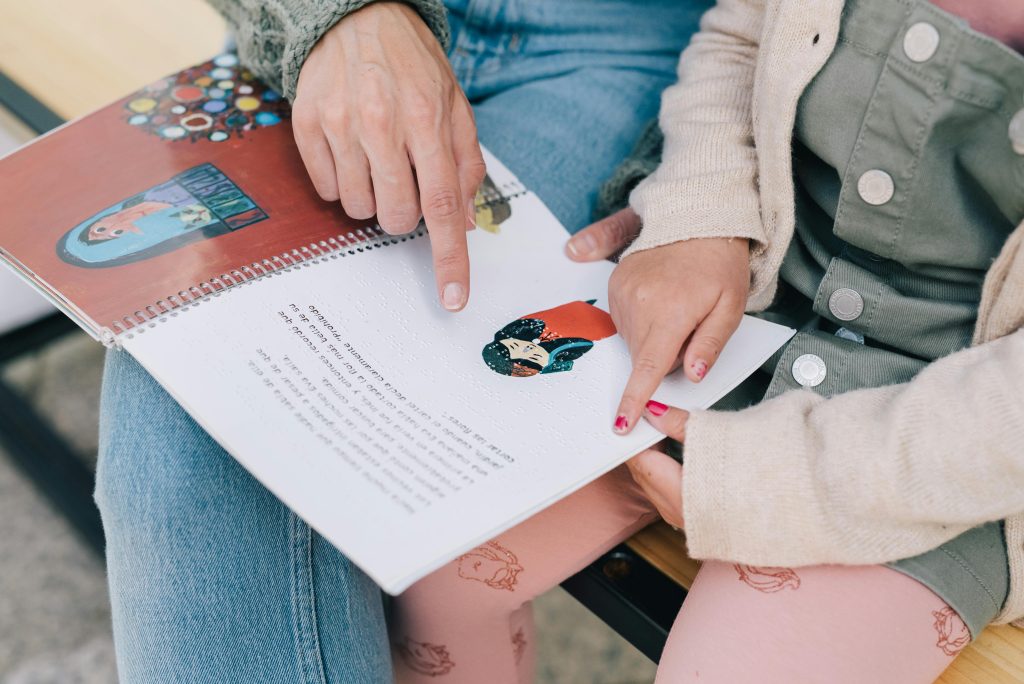
Autism is not something to “fix”, but support is often helpful, especially in navigating a world that isn’t always built with neurodivergent people in mind. Some helpful therapies include:
- Speech therapy: To build verbal or alternative communication tools
- Occupational therapy: To support daily routines, motor skills, and sensory regulation
- Applied Behaviour Analysis (ABA): A common therapy that can help teach specific skills but it’s important to choose trauma-informed, person-centred approaches.
At MindShift Integrative Therapy Centre, we offer individual therapy that respects neurodivergent identities and supports both clients and caregivers through compassionate, inclusive care.
Embracing Neurodiversity
The neurodiversity movement encourages society to see autism not as a disorder to be cured, but as a natural and valid part of human diversity. It invites all of us to focus less on changing autistic people and more on changing environments to be inclusive and accessible.
This means:
- Welcoming different ways of expressing thoughts and emotions
- Honouring special interests as passions, not obsessions
- Listening to autistic voices when shaping policies, programs, and therapies
Final Thoughts
Autism is not one experience, it’s a spectrum that includes many ways of thinking, sensing, and connecting. Some people with autism need significant support; others may not need much at all. All are worthy of respect, understanding, and care.
By learning more about autism and embracing neurodiversity, we help create a world where every brain is valued.
At MindShift Integrative Therapy Centre, we offer individual therapy grounded in empathy, respect, and neurodiversity-affirming care. Whether you’re seeking support for yourself or someone you love, we’re here to walk alongside you with personalized strategies and meaningful guidance.
Book a free 20-minute consultation today and take the first step toward inclusive support and lasting empowerment.
Sources:
- Mayo Clinic. Autism spectrum disorder