Mental Health Self-Care Strategies
Taking care of our mental health is essential, especially when we face the aftermath of trauma. Self-care isn’t just about indulgent spa days or occasional treats; it’s a holistic practice that can significantly improve our well-being. Let’s dive into some practical self-care strategies that can help you manage trauma and enhance your mental health.
Understanding Self-Care and Its Importance
Self-care is all about taking intentional steps to care for your mental, emotional, and physical health. It’s a proactive approach to managing stress and enhancing your overall quality of life. For those dealing with trauma, self-care is a critical tool. Trauma can have long-lasting effects on our minds and bodies, making it essential to incorporate self-care into our daily routines to aid recovery and build resilience.

Physical Self-Care Strategies
Physical self-care is the foundation of good health. Exercise is a powerful tool for improving mood and reducing anxiety. You don’t need to hit the gym for hours; even a 30-minute walk can make a huge difference. Moving your body helps release endorphins, the body’s natural stress relievers.
Getting enough sleep is another vital aspect of physical self-care. Aim for seven to eight hours of sleep each night. Establishing a consistent sleep schedule can help regulate your body’s internal clock, making it easier to fall asleep and wake up feeling refreshed. Create a bedtime routine that includes activities like reading or listening to calming music, and avoid screens before bed to improve sleep quality.
Nutrition also plays a key role in mental health. Eating a balanced diet rich in nutrients can improve your mood and energy levels. Consider incorporating anti-inflammatory foods, such as leafy greens, berries, and nuts, into your diet. These foods help reduce inflammation in the body, which is linked to improved mental health.
Emotional Self-Care Practices
Emotional self-care involves acknowledging and expressing your emotions in healthy ways. Mindfulness and meditation are excellent practices to start with. Taking a few minutes each day to breathe deeply and focus on the present moment can help reduce stress and anxiety. You can try guided meditations, mindfulness apps, or simply sit quietly and concentrate on your breath.
Journaling is another effective emotional self-care practice. Writing down your thoughts and feelings can help you process your emotions and gain insights into your mental state. Don’t worry about grammar or spelling; just let your thoughts flow onto the paper. This practice can be incredibly cathartic and provide clarity during difficult times.
Talking to someone you trust, whether it’s a friend, family member, or therapist, is also essential. Sharing your experiences and feelings can help you feel supported and understood. If therapy is an option for you, it can be a powerful tool for emotional healing. Therapists can provide guidance and techniques to manage trauma and improve mental health.
Mental Self-Care Techniques
Mental self-care focuses on nurturing your mind. One of the most important aspects is setting boundaries. Learning to say no and establishing limits on your time and energy can prevent burnout and protect your mental health. It’s okay to prioritize your needs and take breaks when necessary.
Engaging in activities that bring you joy and relaxation is also crucial. Hobbies and leisure activities, such as reading, painting, or gardening, can provide a mental escape and reduce stress. Make time for these activities regularly to ensure you have a balanced and fulfilling life.
Managing stress is another key component of mental self-care. Incorporating stress-reduction techniques, such as deep breathing exercises, progressive muscle relaxation, or even taking short breaks throughout the day, can help keep stress levels in check. Remember, it’s about finding what works best for you and making it a regular part of your routine.
Social Self-Care Approaches
Maintaining social connections is vital for mental well-being. Humans are social creatures, and having a support network can provide emotional support and reduce feelings of isolation. Make an effort to stay in touch with friends and family, even if it’s just a quick text or phone call. Building and nurturing these connections can make a significant difference in your overall happiness.
Balancing social commitments with personal time is also important. While social interactions are beneficial, it’s equally important to have time for yourself. Find a balance that allows you to enjoy the company of others without feeling overwhelmed or depleted.
Spiritual Self-Care Methods
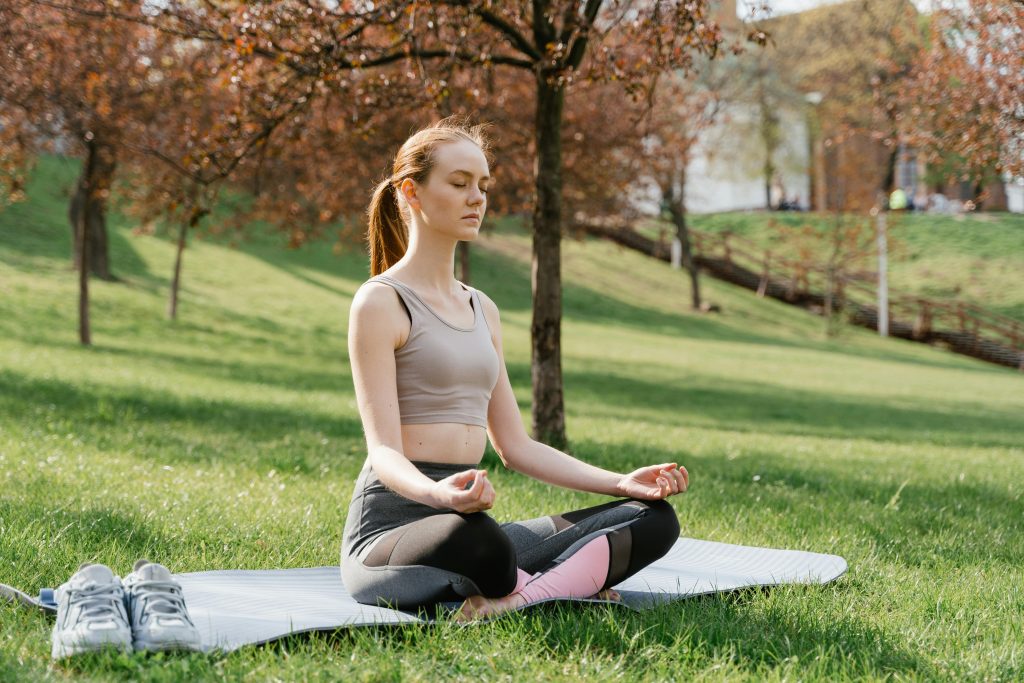
Spiritual self-care involves finding meaning and purpose in life. This doesn’t necessarily mean religious practices; it’s about connecting with something greater than yourself. This could be through meditation, spending time in nature, or engaging in activities that align with your values and beliefs.
Taking time for reflection and mindfulness can help you connect with your inner self and find a sense of peace and purpose. Whether it’s through prayer, yoga, or simply sitting in silence, these practices can enhance your mental and spiritual well-being.
Developing a Personalized Self-Care Plan
Creating a self-care plan tailored to your needs is essential for sustainable mental health. Start by assessing your current self-care practices and identifying areas where you can improve. Set realistic and achievable goals that align with your lifestyle and preferences. For instance, if you want to exercise more, start with a 10-minute walk and gradually increase the duration as you feel more comfortable.
Regularly reassess your self-care plan and make adjustments as needed. Life is dynamic, and your needs may change over time. Be flexible and open to trying new strategies to find what works best for you.
It’s the Journey
Self-care is a journey, not a destination. Healing, especially from trauma, involves making small and consistent efforts to care for your mental, emotional, and physical health. Trauma therapy offers compassionate guidance along the way, helping you understand and process past experiences while building supportive habits that nurture growth and resilience.
By including trauma-informed self-care strategies in your daily life and working with a therapist, you can improve your overall well-being and feel more in control of your healing process. It is okay to start small and take one step at a time. Every step matters.
You do not have to walk this path alone. Your mental health is worth the investment, and you deserve to feel your best.
Book a free consultation today and begin your journey toward healing and wholeness.