Sensory overload happens when one or more of your senses take in too much at once. This can happen in places like a busy restaurant, when music is blaring, or even when someone walks by wearing strong perfume [1].
Your brain can only handle so much input at one time. When it’s flooded with too much sound, smell, light, or texture, it can’t process it all properly. This can lead to discomfort that ranges from mild unease to feeling completely overwhelmed.
Everyone experiences sensory overload at some point. But for some people, including many kids and adults, it can happen more often. Everyday places like cafeterias, classrooms, or offices can feel like too much. Bright lights, loud voices, and strong smells can all build up and trigger a sensory reaction.
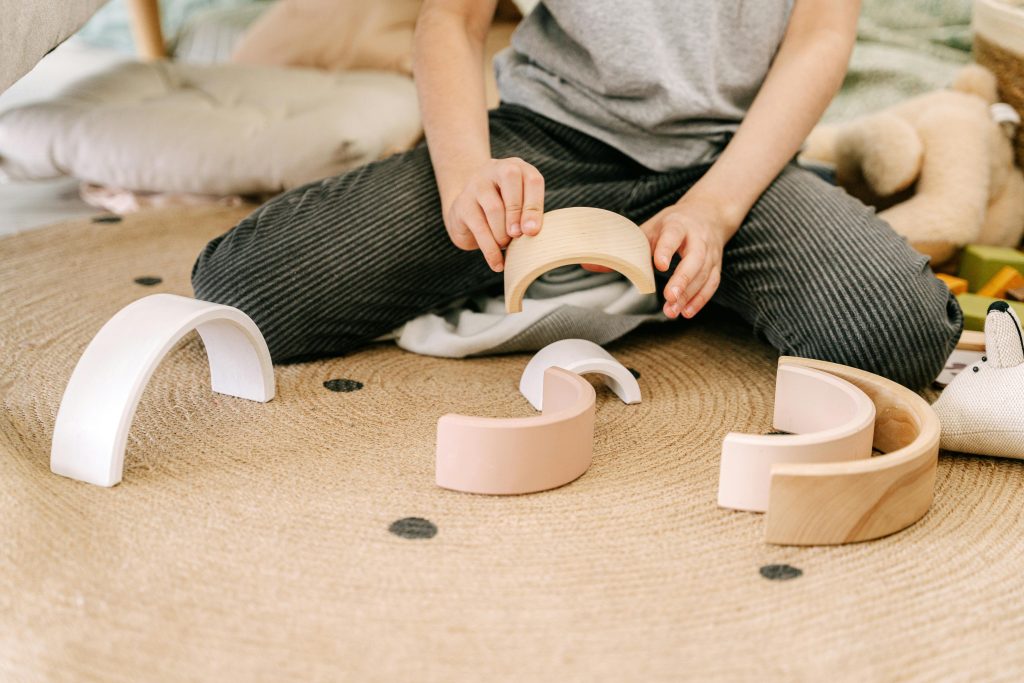
What Sensory Overload Feels Like
Sensory overload doesn’t feel the same for everyone. Some people are more sensitive to noise. Others may react more strongly to textures or smells.
Common signs include:
- Trouble tuning out loud noises or strong smells
- Feeling anxious or uncomfortable
- Irritability or agitation
- Sensitivity to clothing or textures
- Difficulty focusing
- Restlessness or stress
- Trouble falling asleep
In children, you might notice:
- Crying, irritability, or pulling away
- Covering their eyes or ears
- Avoiding certain places or activities
- Trouble talking or connecting with others
- Running away when something feels overwhelming
Sensory Overload in Children
Sensory overload is fairly common in kids. A 2018 report found that 1 in 6 children has some kind of sensory processing difficulty [2]. This number is even higher in children with:
- Autism spectrum disorder
- Fetal alcohol syndrome
- Down syndrome
It can be tough to spot in kids, especially if there’s no other diagnosis. Parents and teachers may think the child is acting out, being moody, or having a tantrum. But what’s really happening is the child’s brain is struggling to handle everything coming at it.
Kids might not have the words to explain what’s wrong. That’s why it’s so important for caregivers to notice the signs and help reduce the impact when overload happens.
Conditions Linked to Sensory Overload
Some people are more likely to experience sensory overload because of other conditions. These include:
Autism
Sensory sensitivity is common in autism. Some autistic people may experience meltdowns when overloaded. This might look like crying, shutting down, running away, or feeling unresponsive to their surroundings. In 2013, sensory sensitivity became part of the official criteria for diagnosing autism [3].
Attention Deficit Hyperactivity Disorder
In Attention Deficit Hyperactivity Disorder (ADHD), the brain often struggles to filter out distractions. This means sensory input can feel overwhelming, especially in places with lots going on. Things like clothing textures or certain noises might feel especially uncomfortable [4].
Post-Traumatic Stress Disorder
People with Post-Traumatic Stress Disorder (PTSD) may become more alert to their surroundings. This can lead to sensory overload, especially when something reminds them of a traumatic event. Their brain goes into a protective mode, even if the situation isn’t dangerous.
Sensory Processing Disorder
Sensory Processing Disorder (SPD) is when the brain has trouble organising and responding to sensory input. Some people are extra sensitive (called hypersensitive) [5]. Others seek out more sensory input (called hyposensitive). Some experience both. SPD is more often diagnosed in children but can affect adults too.
Other Conditions
People with chronic fatigue syndrome, fibromyalgia, multiple sclerosis (MS), or Tourette syndrome may also be more likely to experience sensory overload.
Can You Get Diagnosed With Sensory Overload?
Sensory overload isn’t an official medical diagnosis. But many healthcare providers understand and recognise it, especially in people with ADHD, autism, or other related conditions.
If you think you’re experiencing sensory overload often, it can help to keep a journal. Write down what happens before, during, and after an episode. Look for patterns, like certain lights, sounds, or stress levels.
Doctors may ask questions about these experiences. For children, a referral to an occupational therapist or developmental paediatrician can help guide next steps.
How Is Sensory Overload Managed?
There’s no one-size-fits-all treatment. But there are many ways to reduce how often sensory overload happens and how strong it feels when it does.
Helpful options include:
- Occupational therapy: This can help kids and adults learn to adapt to their environment and build coping strategies.
- Talk therapy: Working with a therapist can help you explore how sensory overload affects your emotions, relationships, and daily life. Therapy can also support you in building self-awareness, managing stress, and learning emotional regulation tools.
- Medication: Sometimes, medication for co-occurring conditions like ADHD or autism can reduce sensitivity.
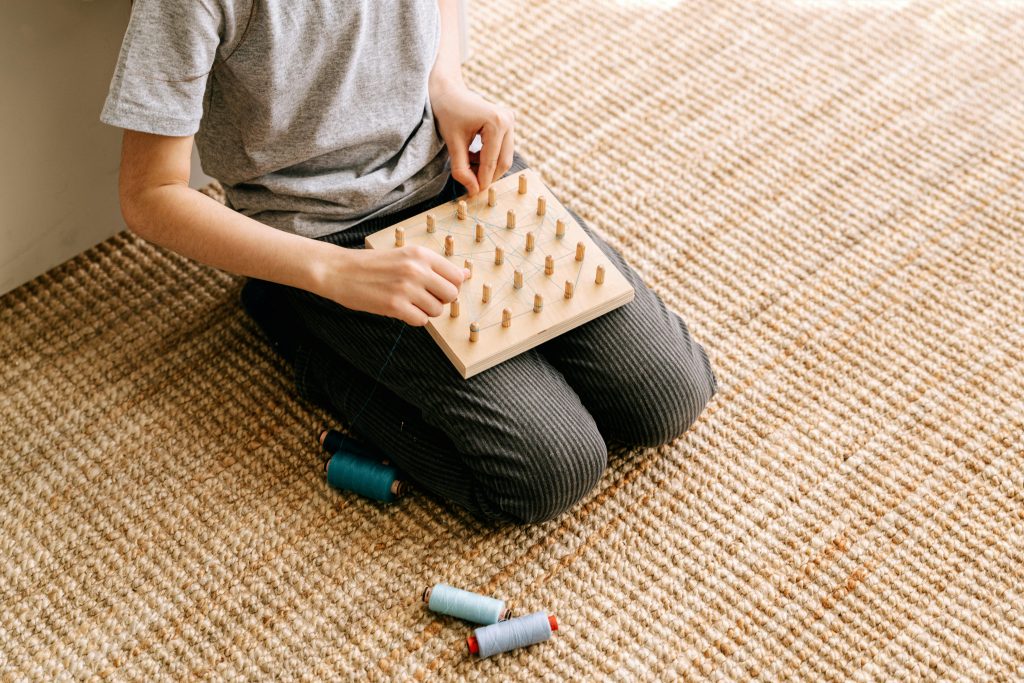
Everyday techniques that might help:
- Keep a journal of triggers and symptoms
- Avoid environments that feel overwhelming
- Ask people around you to help reduce sensory input when possible
- Create safe escape spaces at home, school, or work
- Stay close to exits at events in case you need to leave
- Talk to teachers, friends, or co-workers about your needs
- Take regular breaks, rest, and get good sleep
- Stay hydrated and eat nourishing food
Supporting Children Through Sensory Overload
If you’re caring for a child who may experience sensory overload, here are a few things that can help:
- Help them avoid known triggers when possible
- Teach them words to describe how they feel
- Let them know their feelings are valid and okay
- Talk to teachers and ask for their support
- Reach out to healthcare providers or occupational therapists for extra help
You’re Not Alone
Sensory overload is real. It can make the world feel loud, fast, and too much all at once. But there are ways to understand it, manage it, and feel more grounded again.
With the right tools, support, and care, it becomes easier to move through the overwhelm and feel more in control.
If you’re ready to explore that path, MindShift Integrative Therapy Centre offers both Individual Therapy and Teen Therapy to help you or your child feel more empowered, calm, and understood.
You’re not alone and you don’t have to navigate this without support.
Sources:
- Understood. What is sensory overload?
- JAMA Pediatrics. Sensory Processing in Children
- Autism Speaks. What are the DSM-5 autism diagnostic criteria?
- Understood. ADHD and sensory overload
- Child Mind Institute. Sensory Processing FAQ